Newsletter Subscribe
Enter your email address below and subscribe to our newsletter

 ByJohn A
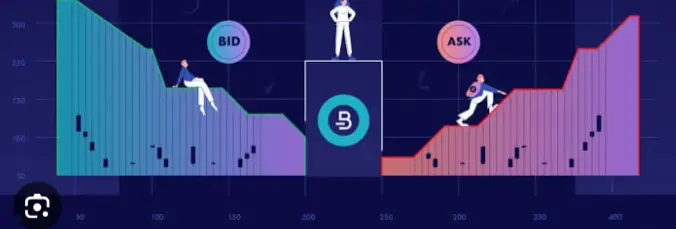
The bid-ask spread in crypto is the gap between the highest bid and the lowest ask for a token. It reflects liquidity, competition among venues, and execution risk. Narrow spreads suggest efficient price discovery; wide spreads point to stress or fragmented order flow. Traders monitor spreads across exchanges and aggregators to gauge costs and potential slippage. Understanding what moves spreads helps time trades for tighter fills, but the topic invites further questions. What factors shape these spreads in practice?
The bid-ask spread in crypto is the gap between the highest price a buyer is willing to pay (the bid) and the lowest price a seller is prepared to accept (the ask).
This framework clarifies volatility dynamics and price discovery, showing how orders influence liquidity.
Reading spreads on exchanges and aggregators involves comparing the visible bid-ask gaps across multiple venues to gauge liquidity and price transparency. This comparison reveals mispricing opportunities when price quotes diverge. It also emphasizes order book depth, showing how far buyers and sellers extend beyond the top quotes. Readers gain a clearer sense of true market liquidity and execution risk.
See also: dhilisatta
Spreads are shaped by three interrelated forces: liquidity, trading volume, and price volatility.
Liquidity dynamics determine how readily assets move between tiers, while volume reflects market participation and order flow.
Volatility drivers push prices away from equilibrium, widening gaps during stress.
Together, they define spread responsiveness, revealing market efficiency and the freedom to trade with minimal friction.
Tight spreads reward speed and precision, while expanding spreads compel traders to adapt their execution and risk management. In tight markets, liquidity sourcing matters: participants seek venues with rapid fills and minimal slippage, favoring lightning-fast order placement.
For expanding spreads, hedging strategies become essential, mitigating adverse moves. Strategic discipline, fee-awareness, and disciplined sizing support resilient trading across variable liquidity conditions.
In sum, the bid-ask spread in crypto measures execution cost and market health, shrinking with liquidity and rising with volatility. Traders monitor spreads across venues to gauge price discovery and potential slippage. An insightful stat: during periods of sharp price moves, the average crypto spread can widen by 2–5x within minutes, underscoring fragmentation and liquidity stress even on major pairs. This context helps tailor order timing and routing for tighter fills.